Come get a free leak repair-Even if we didn't install your windshield!
The Vital Role of Auto Glass in Vehicle Safety: Protecting Structural Integrity During Rollovers.
True Auto Glass explains the significant role windshields play in a vehicle's structural integrity during a rollover and accidents in general. A downloadable guide in accident prevention emphasizing rollovers is included.
True Auto Glass Ltd Co in Albuquerque, NM
1/1/20266 min read
Why Auto Glass is Essential for Your Car's Structural Strength
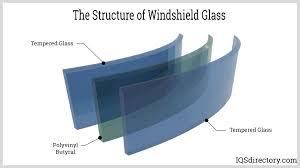
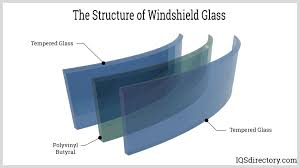
Think of your car's windshield as the unsung hero of vehicle design. It's not just there for visibility—it's engineered to support the entire cabin. Modern windshields are made from laminated glass: two layers of glass sandwiched around a tough plastic film. This setup keeps the glass from shattering into dangerous shards during an impact, instead cracking but holding together.
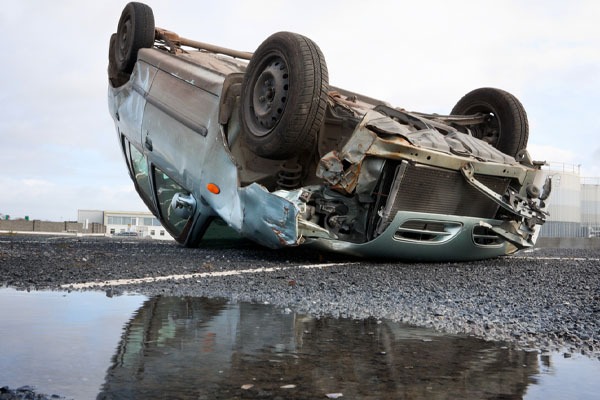
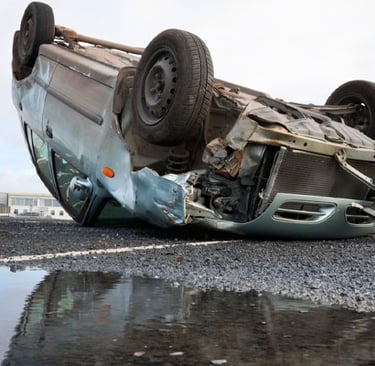
In everyday driving, auto glass helps maintain your car's rigidity. But its true value shines in accidents, particularly rollovers. During a rollover, the windshield acts like a brace, supporting up to 60% of the cabin's structural integrity and helping prevent the roof from caving in. Without it, or if it's damaged or poorly installed, the roof could collapse, leading to severe injuries like head trauma or spinal damage. Side windows, often tempered glass that breaks into small, safe pieces, also play a role by reducing ejection risks—where passengers are thrown from the vehicle.
For Albuquerque drivers, this is especially relevant. Our mix of urban traffic, high winds, and rural routes increases the chance of debris causing chips or cracks, which can weaken glass over time. Regular inspections and repairs from trusted local pros ensure your auto glass stays strong, contributing to better handling and safety features like airbags, which rely on the windshield for proper deployment
Understanding Auto Glass and Its Structural Contributions
The windshield acts as a structural pillar, supporting the vehicle's cabin. In front-end collisions, it can contribute up to 45% of the car's structural strength, helping to absorb and distribute crash forces. This support is amplified in rollovers, where the windshield can provide up to 60% of the cabin's integrity, preventing roof crush and keeping the passenger compartment intact. Without a properly bonded windshield, the roof is more likely to collapse, increasing the risk of severe head, neck, and spinal injuries
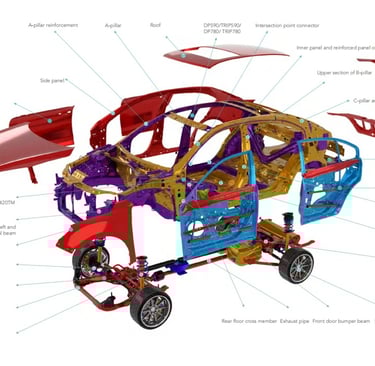
Automotive steel solution for body structure parts
(Above: A diagram illustrating how the windshield integrates into a vehicle's body structure for enhanced safety.)

References
Auto Glass Safety Council. (n.d.). Windshield structural integrity in rollover accidents. Retrieved December 31, 2025, from various industry sources (commonly cited: windshield contributes up to 60% of roof strength in rollovers).
National Center for Statistics and Analysis. (2002). Characteristics of fatal rollover crashes (Report No. DOT HS 809 438). National Highway Traffic Safety Administration. https://crashstats.nhtsa.dot.gov/Api/Public/ViewPublication/809438
National Center for Statistics and Analysis. (2024). Overview of motor vehicle crashes in 2023 (Traffic Safety Facts. Report No. DOT HS 813 XXX). National Highway Traffic Safety Administration. https://www.nhtsa.gov/press-releases/nhtsa-estimates-39345-traffic-fatalities-2024
National Center for Statistics and Analysis. (2025a). Early estimate of motor vehicle traffic fatalities for the first half (January–June) of 2025 (Crash•Stats Brief Statistical Summary. Report No. DOT HS 813 XXX). National Highway Traffic Safety Administration. https://www.nhtsa.gov/press-releases/nhtsa-reports-sharp-drop-traffic-fatalities-first-half-2025
National Center for Statistics and Analysis. (2025b). Early estimate of motor vehicle traffic fatalities for the first nine months (January–September) of 2025 (Crash•Stats Brief Statistical Summary). National Highway Traffic Safety Administration. https://www.nhtsa.gov/press-releases/nhtsa-launches-annual-drive-sober-or-get-pulled-over-enforcement-campaign-holiday
National Center for Statistics and Analysis. (2025c). Early estimate of motor vehicle traffic fatalities in 2024 (Crash•Stats Brief Statistical Summary. Report No. DOT HS 813 710). National Highway Traffic Safety Administration. https://crashstats.nhtsa.dot.gov/Api/Public/ViewPublication/813710
U.S. Department of Transportation, National Highway Traffic Safety Administration. (2023a). 49 CFR § 571.205 - Standard No. 205; Glazing materials. Electronic Code of Federal Regulations. https://www.ecfr.gov/current/title-49/subtitle-B/chapter-V/part-571/subpart-B/section-571.205
U.S. Department of Transportation, National Highway Traffic Safety Administration. (2023b). 49 CFR § 571.216 - Standard No. 216; Roof crush resistance. Electronic Code of Federal Regulations. https://www.ecfr.gov/current/title-49/subtitle-B/chapter-V/part-571/subpart-B/section-571.216 (Note: References to upgraded FMVSS 216a for post-2016 vehicles)
About the Author
Elizabeth Rose is an auto glass technician and business owner with hands-on experience repairing and replacing windshields in real-world driving conditions. Her perspective comes from working directly with customers, insurers, and modern vehicle safety systems—not from theory or sales scripts. Elizabeth writes to help drivers understand how auto glass impacts vehicle safety, costs, and long-term reliability, so they can make informed decisions without pressure or confusion.


When you're cruising down the bustling streets of Albuquerque or heading out on New Mexico's scenic highways, the last thing on your mind might be your car's windshield. But did you know that auto glass is more than just a clear barrier against wind and bugs? It's a key player in your vehicle's overall strength, especially in preventing catastrophic damage during rollover accidents. In this guide, we'll break down why quality auto glass matters for safety, share eye-opening statistics, and explain safety standards in simple terms. Whether you're a local driver navigating Sandia Peak roads or just concerned about family safety, understanding this can save lives. Let's dive in and explore how proper auto glass maintenance can keep you safer on NM roads.Write your text here...
Statistics Highlighting
the Impact of Windshields
in a Rollover
To underscore the importance:
Unrestrained occupants account for 72% of rollover fatalities, with ejection being a primary cause.
From 1991 to 2000, rollover deaths in light trucks rose 35%, driven by the popularity of SUVs, while overall rollover rates per registered vehicle remained stable.
Compliance with federal standards like FMVSS 205 (for glazing) and 216 (for roof strength) has reduced glass-related injuries significantly, per NHTSA studies.
Ejected occupants are 10 times more likely to die than those who remain inside the vehicle.
These figures, drawn from organizations like the National Highway Traffic Safety Administration (NHTSA) and safety research, emphasize that investing in quality auto glass isn't optional—it's essential for survival.
Conclusion: Prioritize Auto Glass for Safer Drives
Auto glass is a silent guardian in your vehicle, bolstering structural integrity and saving lives, especially in rollovers. Regular inspections, prompt repairs for chips or cracks, and professional replacements ensure it performs when needed most. By understanding its role, drivers can make informed choices to enhance safety for themselves and their families.
The Crucial Role of Auto Glass in Vehicle Safety: Protecting Structural Integrity During Rollovers
Rollover Accidents: The Stats That Hit Home
Rollover crashes might not be the most common, but they're among the deadliest. In the U.S., motor vehicle crashes claimed an estimated 40,901 lives in 2023, with projections for 2025 showing a positive trend: From January to September 2025, fatalities dropped to about 27,365, an 8.2% decrease from the same period in 2024. The first half of 2025 alone saw 17,140 deaths, down sharply from 18,680 in the prior year.
Focusing on rollovers, they account for a disproportionate share of fatalities. While exact 2025 rollover-specific numbers are still emerging, historical data from the National Highway Traffic Safety Administration (NHTSA) shows rollovers make up about 20-26% of fatal crashes for cars and light trucks. While exact 2025 rollover-specific numbers are still emerging, historical data from the National Highway Traffic Safety Administration (NHTSA) shows rollovers make up about 20-26% of fatal crashes for cars and light trucks.
Ejection is a major killer here-- About 62% of fatalities involve complete ejection, and 75% of ejected individuals do not survive. Laminated auto glass helps mitigate this by staying in place even when cracked, acting as a barrier to prevent partial or full ejection through windows. Studies estimate that 700 to 1,000 serious injuries annually from partial ejections could be prevented with advanced glazing like laminated side windows, at a minimal cost of about $2.50 per window.
Moreover, proper auto glass installation ensures compatibility with other safety features. For instance, windshields support airbag deployment—passenger-side airbags rely on the glass for proper inflation—and advanced driver-assistance systems (ADAS) like lane-keeping require calibrated glass to function accurately. In rollovers, this integration can mean the difference in survival rates; wearing a seatbelt alone reduces fatal injury risk by up to 60%, but combined with intact auto glass, outcomes improve dramatically