Happy New Years; Come get a free leak repair-Even if we didn't install your windshield!
Understanding ADAS Calibration: Costs, Necessity, and Types
1/6/20264 min read
What is ADAS Calibration?
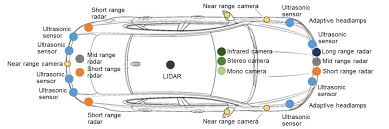
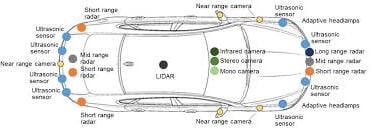
Advanced Driver Assistance Systems (ADAS) are a suite of safety features designed to enhance vehicle operation and improve road safety. These systems utilize a combination of cameras, radar, and sensor technologies to assist drivers in various tasks, ranging from lane departure warnings to adaptive cruise control. Given the complexity and reliance on technology, the calibration of these systems plays a crucial role in their functionality.
ADAS calibration involves the precise adjustment of sensors and cameras to ensure they are correctly aligned and functioning as intended. Proper calibration is essential following any repairs that may affect the vehicle's safety systems, such as windshield replacements or collision repairs. When ADAS components are misaligned, it can lead to decreased performance and reliability, ultimately jeopardizing both the driver’s and passengers’ safety.
The calibration process requires specialized equipment and trained technicians who can accurately assess the alignment of the system components. Depending on the technology employed, calibration can be dynamic, where the systems are adjusted while the vehicle is in motion, or static, which necessitates specific stationary conditions. The necessity for calibration should not be overlooked, as it ensures that the vehicle's safety features operate seamlessly under diverse driving conditions.
Additionally, regular calibration contributes to maintaining the vehicle’s performance standards. As vehicle designs evolve and new technologies are integrated, adjustments and calibrations become imperative. This ongoing maintenance not only safeguards vehicle occupants but also adheres to manufacturer guidelines and standards. Therefore, understanding the importance of ADAS calibration aids in recognizing its vital role in enhancing vehicular safety and efficiency in today’s automotive landscape.
Advanced Driver Assistance Systems (ADAS) have become integral to modern vehicles, enhancing safety and driving comfort. However, the calibration of these sophisticated systems can be a costly endeavor. Several factors contribute to the high expenses associated with ADAS calibration.
Firstly, the technology involved in ADAS calibration is highly advanced. Vehicles are equipped with various sensors, cameras, and radar systems that monitor and respond to the surrounding environment. This technology requires meticulous calibration to ensure accurate performance. Malfunctioning sensors or cameras can lead to serious safety issues, emphasizing the critical importance of precise calibration.
Secondly, the complexity of the systems plays a significant role in the expense. Each vehicle model may have unique calibration requirements based on its sensor layouts and software algorithms. This variability necessitates that specialists conduct a thorough examination and tailor adjustments specific to each vehicle. Such tailored calibration processes can demand more time and resources, thus increasing costs.
In addition, the equipment required for proper ADAS calibration is often specialized and expensive. Calibration tools regularly utilize high-definition targets and sophisticated diagnostic equipment that are essential for accurate measurements. Maintenance of this high-quality equipment incurs additional costs, which service providers typically pass on to consumers.
Moreover, the specialized expertise required for effective ADAS calibration cannot be overlooked. Technicians must be thoroughly trained and certified to handle the complex calibration procedures. This level of expertise is not only rare but also necessitates continuous education due to the rapidly evolving nature of vehicle technology, thereby adding another layer to operational costs.
Finally, the economic implications of ADAS calibration services extend beyond the cost to consumers. For service providers, investing in high-quality tools and training is essential to remain competitive in the market. This investment ultimately contributes to the overall cost of calibration, making it a significant expense for vehicle owners.
How to Know if You Need an ADAS Calibration
Advanced Driver-Assistance Systems (ADAS) have become essential for enhancing vehicle safety and ensuring optimal performance. Understanding when you need an ADAS calibration can be critical to maintaining these systems’ effectiveness. There are several scenarios where calibration may be required.
One primary indicator that a vehicle may need ADAS calibration is after experiencing a collision. Even minor accidents can misalign sensors or affect their functionality. If your vehicle has been involved in an accident, it is prudent to have the system assessed to ensure everything is operating correctly.
Another situation to consider is when a windshield replacement has occurred. Many modern vehicles have key components of their ADAS integrated into the windscreen area, such as cameras and sensors. If the windshield is replaced without proper recalibration, it could lead to suboptimal system performance, which may compromise safety features.
Additionally, adjustments in vehicle alignment can impact the efficacy of ADAS features. If any modifications have been made, particularly those that affect wheel alignment or suspension, it often necessitates calibration of the associated systems to ensure they function correctly.
Drivers can assess whether their vehicles require calibration by observing warning lights related to ADAS features on the dashboard. Moreover, unusual behaviors reported in features like adaptive cruise control or lane-keeping assistance may indicate an underlying calibration issue. If you notice that these systems are not responding as expected, scheduling a professional check-up can provide clarity.
Ultimately, consistent maintenance checks are advisable to ensure your ADAS operates at peak performance. Regular consultations with a qualified technician can help determine when ADAS calibration is necessary, keeping your safety as the top priority.
Different Types of ADAS Calibration and Expectations from Dynamic Calibration
ADAS calibration is an essential aspect of modern vehicle maintenance, ensuring that advanced driver-assistance systems operate correctly and safely. Different types of ADAS calibration include static, dynamic, and online methods, each with its own specific applications and requirements.
Static calibration is typically performed while the vehicle is stationary and involves using specialized tools or equipment to align the sensors based on the manufacturer’s specifications. This method is commonly used for installations and after repairs that do not include mobility-related adjustments. In contrast, dynamic calibration mandates the vehicle to be in motion, allowing sensor systems to self-correct by interacting with real-world conditions.
Dynamic calibration plays a critical role in the effectiveness of ADAS technologies such as adaptive cruise control, lane departure warning, and collision avoidance systems. During this process, the vehicle is driven in specific scenarios and at varying speeds, permitting the sensors to dynamically interact with the environment and calibrate to the actual conditions. This systematic approach ensures accuracy and reliability.
When undergoing dynamic calibration at TAG, vehicle owners can expect specific conditions and protocols. The process typically takes place on a designated calibration track or testing zone designed to replicate diverse driving situations. Additionally, advanced technologies, such as radar and camera-based systems, are utilized to monitor and adjust the sensor parameters accurately.
Furthermore, dynamic calibration differs significantly from its static counterpart. While static calibration focuses on initial alignment, dynamic calibration verifies the functionality in real-world settings, thereby confirming that all systems communicate effectively under varied conditions. This comprehensive approach reinforces the necessity of ensuring the safety and efficiency of ADAS technologies in contemporary vehicles.